
Clear guidance for navigating U.S. immigration requirements, documentation, and next steps with confidence.
01
We help applicants understand visa options, documentation requirements, and the overall process with clarity and confidence from the very beginning.
02
From reviewing eligibility to preparing documents, our guidance is designed to help applicants stay organized and avoid common mistakes.
03
Applicants receive clear information about next steps, timelines, and immigration requirements so they can move forward with better understanding.


Navigating the U.S. immigration system can feel overwhelming, especially for individuals who are exploring work opportunities, temporary visas, or long-term residency options for the first time. The process often includes strict documentation standards, category-specific requirements, government review, and timelines that can vary significantly from one case to another. For this reason, many applicants begin by looking for reliable immigration information that can help them understand the structure of the process before taking action.
This is where USagcim becomes relevant. For many people, the first step is not filing paperwork, but gaining a clear understanding of what type of immigration pathway may apply to their personal or professional situation. Without that clarity, applicants may waste time, misunderstand requirements, or prepare the wrong documents. Immigration decisions often have long-term consequences, so starting with structured information is essential.
One of the biggest challenges in U.S. immigration is that there is no single route that fits everyone. Some individuals may qualify for temporary work visas, while others may be better suited for family-based immigration, employment-based permanent residency, or other legal pathways. The requirements for each option are different, and even small details can affect eligibility.
Applicants often assume that immigration is simply a matter of filling out forms, but in reality the process requires a deeper understanding of legal categories, supporting documentation, and government procedures. An error in documentation, an incorrect assumption about eligibility, or a misunderstanding of visa conditions can create delays and, in some cases, lead to denials. That is why reliable information and step-by-step guidance play such an important role.
The U.S. immigration system includes both temporary and long-term options. Temporary visas may allow individuals to work, study, invest, or participate in specific programs for a limited period. Permanent pathways, on the other hand, are generally tied to family relationships, employer sponsorship, humanitarian eligibility, or other qualifying circumstances.
Each process involves its own rules. Some categories require sponsorship from a U.S. employer. Others depend on professional qualifications, academic background, financial capacity, or family connections. In many cases, applicants must provide supporting records such as passports, educational certificates, work history, civil documents, and proof that they meet the conditions of the immigration category.
Because of this complexity, applicants often begin by researching trustworthy platforms such as USagcim in order to better understand how different immigration options work and what may be required before starting the formal process.


Preparation is one of the most important elements in any immigration case. Strong preparation helps applicants avoid mistakes, gather the correct records in advance, and move through the process with more confidence. It also helps reduce unnecessary confusion when dealing with petitions, consular interviews, and government requests for evidence.
Many immigration cases are not denied because the individual lacks potential eligibility, but because the documentation is incomplete, inconsistent, or poorly prepared. This is particularly true in employment-related immigration, where employer information, salary details, qualifications, and role descriptions must align clearly with the requirements of the selected visa category.
Applicants who understand the process early are usually better positioned to make realistic decisions, prepare accurate documentation, and avoid preventable delays.
Why Structured Information Builds Confidence
Immigration is not only a legal process. It is also a major personal decision. People often pursue immigration because they want new opportunities, greater stability, better career prospects, or the ability to build a future in the United States. Because the stakes are high, clear and structured information can make a meaningful difference.
When applicants have access to organized guidance, they can better understand their responsibilities, the possible timelines, and the expectations attached to each step. This helps reduce uncertainty and allows them to move forward with a stronger sense of direction. It also allows individuals to ask better questions, prepare smarter, and avoid relying on assumptions or incomplete online information.
For this reason, many applicants view USagcim as part of their early research process when they are trying to understand visa pathways, immigration structures, and the documentation standards involved.
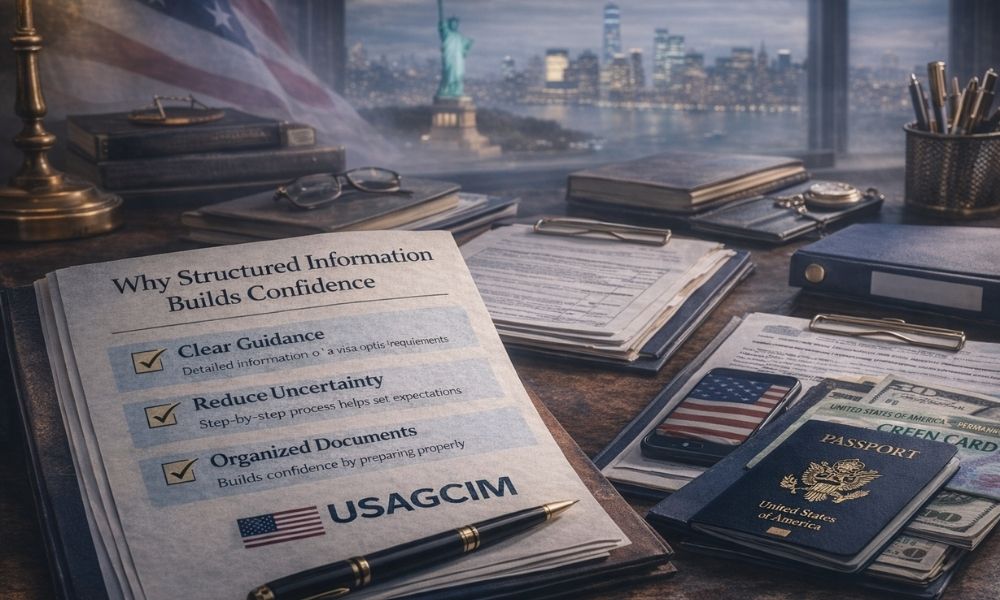

The U.S. immigration process can be demanding, but it becomes more manageable when approached with preparation, accurate information, and realistic expectations. Every case is different, and successful planning depends on understanding which pathway fits the applicant’s goals, background, and legal circumstances.
Whether someone is exploring temporary work opportunities, long-term immigration options, or general visa information, the first step should always be clarity. Immigration decisions should be based on facts, structure, and careful preparation rather than guesswork. With the right information and a responsible approach, applicants can evaluate their options more effectively and take meaningful steps toward their goals in the United States.